
ChatGPT API Costs Quietly Leak Money If You Do Not Count Them
Why ChatGPT API bills quietly grow, and how token tracking, caching, retries, and model routing keep them under control.
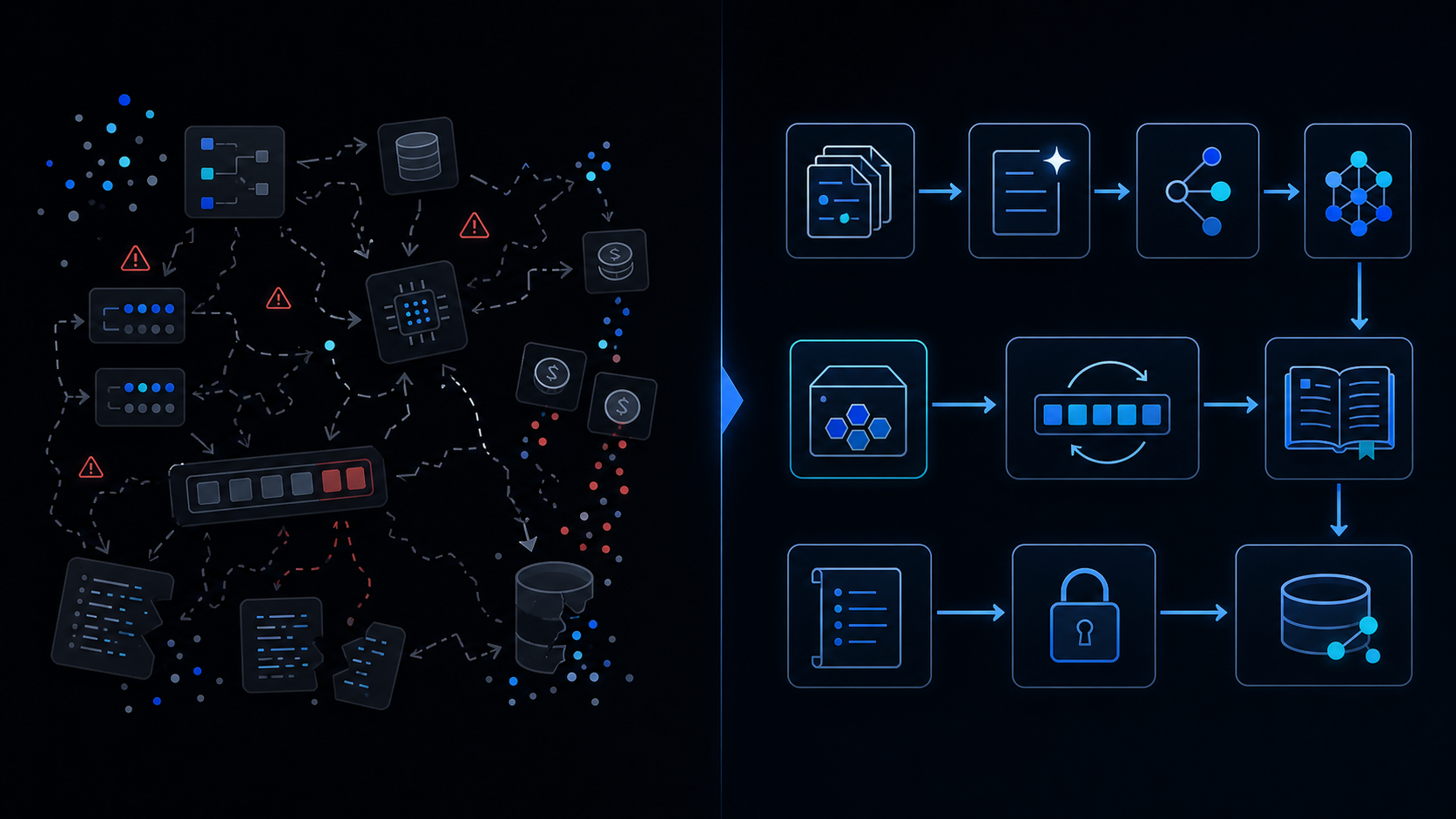
Conclusion first: Tokens, retries and logs multiply. Without explicit accounting, model routing, caching and budget guards, ChatGPT API spend exceeds any forecast.
Token Cost Fundamentals
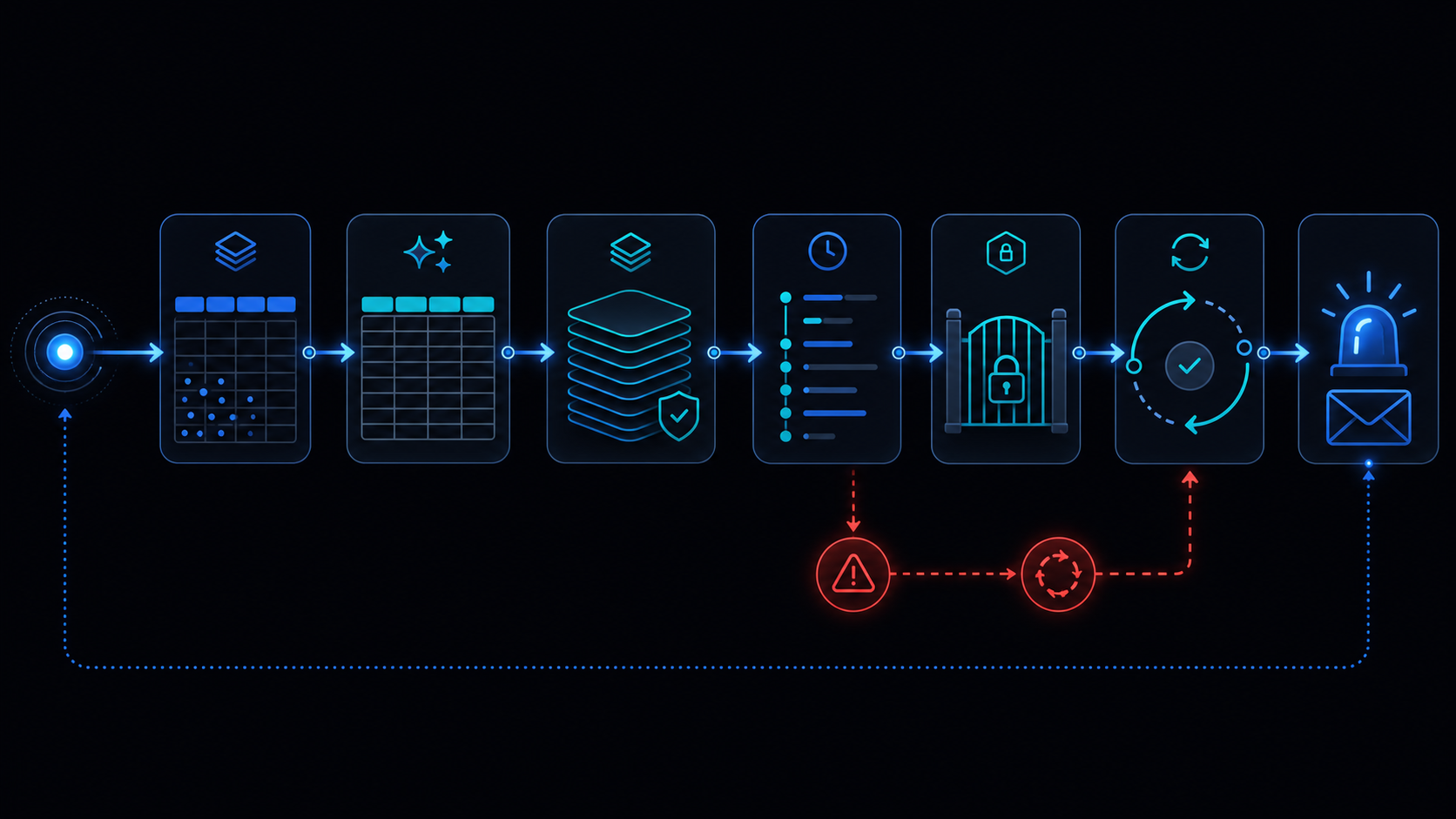 Input and output tokens are billed separately. GPT-4o costs $2.50 per million input tokens and $10.00 per million output tokens. Repeating a long system prompt on every call scales cost linearly.
Model Selection Impact
| Model | Input $/M | Output $/M | Use case |
|---|---|---|---|
| GPT-4o | 2.50 | 10.00 | Complex reasoning |
| GPT-4o-mini | 0.15 | 0.60 | Simple classification |
| o1-preview | 15.00 | 60.00 | Hard planning |
Retry and Backoff Policy
Without exponential backoff on 429/5xx errors the same prompt is sent dozens of times. Adopt the pattern from the retry-backoff note.
Caching Implementation
function getCacheKey(prompt, model, temp, userId) {
  const hash = Utilities.computeDigest(Utilities.DigestAlgorithm.SHA_256, prompt + model + temp);
  return `${userId}:${model}:${hash}`;
}

function budgetGuard(currentTokens, limit) {
  if (currentTokens > limit) throw new Error('Budget exceeded');
}
Logging Overhead
Writing every response to Sheets adds both storage and read costs. See spreadsheet-inventory-limits and store only required fields.
Including user ID in the cache key enables personalized reuse while preserving privacy boundaries.
Model Routing Strategy
Route simple queries to mini and complex ones to 4o. Cross-reference apps-script-automation-guide and ai-cost-and-keys.
Failure Modes and When Not to Use
- Disable caching when hit rate stays below 20%.
- Never cache when live data is required.
- Check six-minute-limit if LockService contention appears.
Operational Checklist
- Daily token-usage script
- Per-model budget thresholds
- 24 h TTL cache
- Defined fallback model
Final review criteria
The useful question is not how many features the automation has. It is whether the workflow can be understood, recovered, and safely rerun after something goes wrong.
- Raw input is separated from the human-facing working view.
- Each run records success, failure, processed count, and error message.
- Replaying the same input does not create duplicate results.
- Permission changes, quota errors, and external API failures are visible later.
For low-risk internal tasks, that may be enough. For customer replies, booking confirmation, inventory updates, payments, or legal records, the threshold is higher: compare Apps Script against a dedicated SaaS or a small server-backed system before relying on it.