
Why Cutting Prompts to Save AI Cost Can Make Things Worse
Why shortening prompts to save AI cost can backfire through lower quality, rework, and harder debugging.
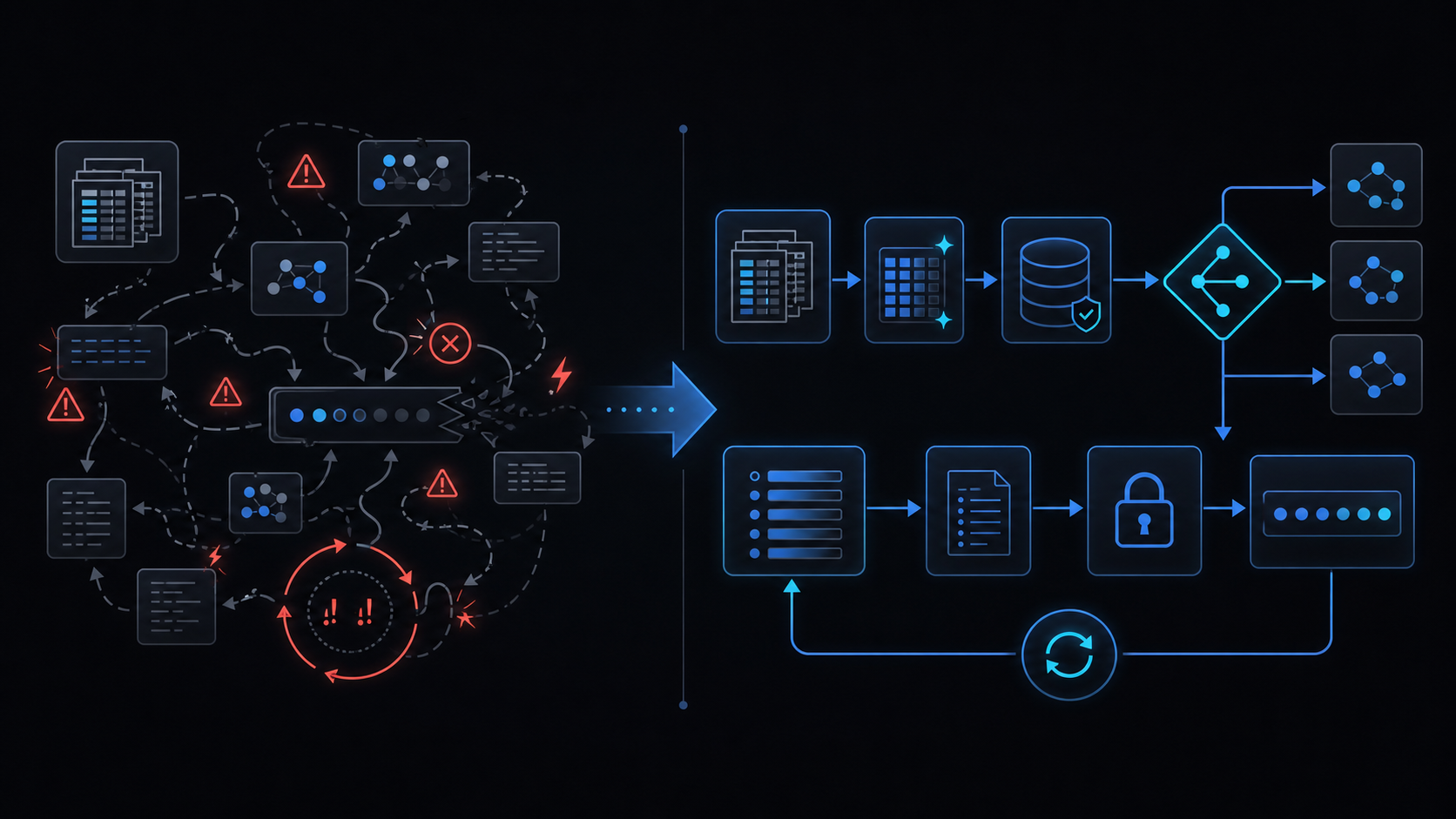
Conclusion first: Randomly shortening prompts reduces accuracy and drives up retry and manual-fix costs that exceed original spend. Combine caching, model routing, forced schema outputs, and eval-set validation to achieve real savings.
1. Compression versus Accuracy Trade-off
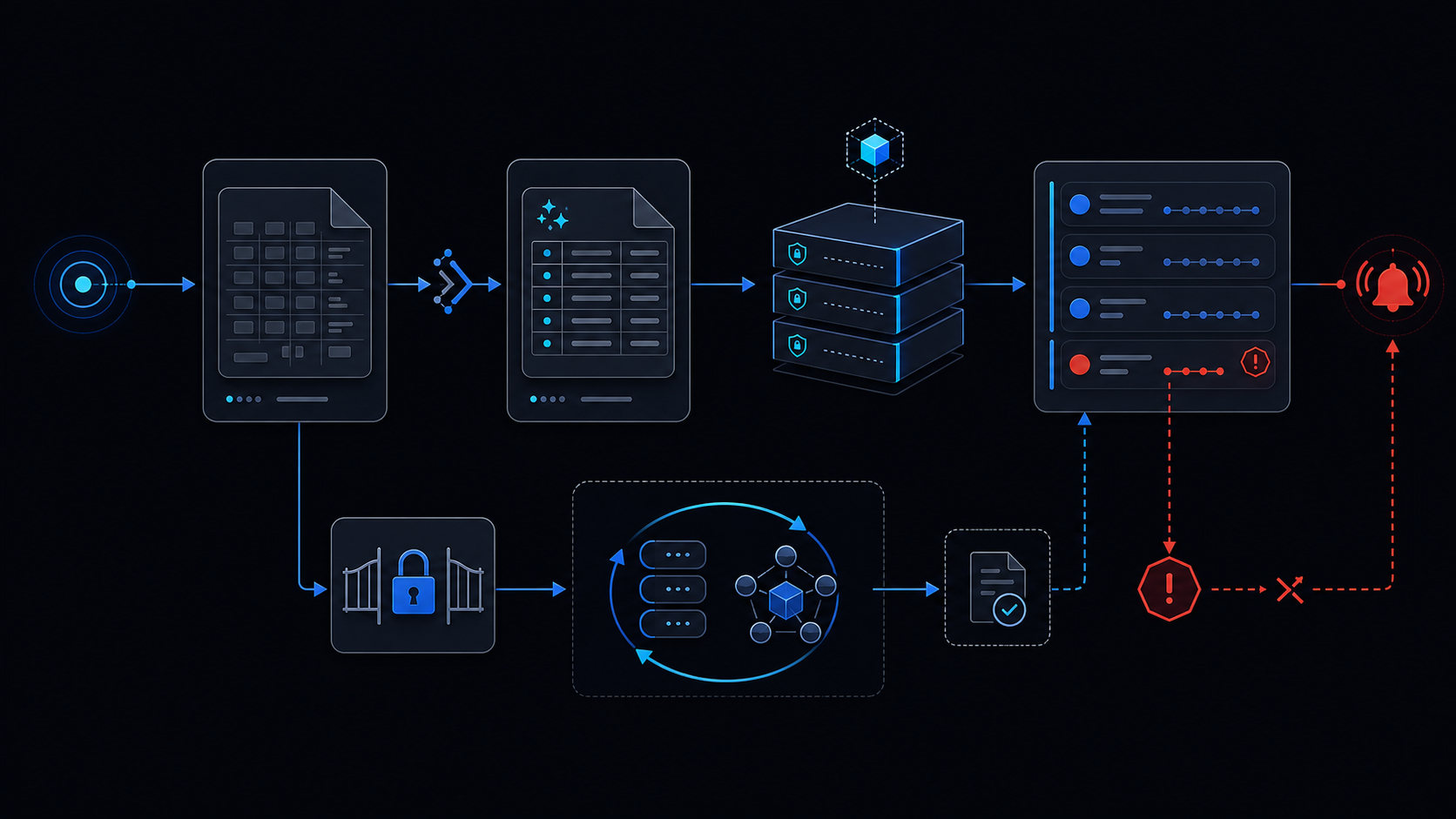 Shortening context by 40% typically cuts tokens 30-35% but raises error rate from 6% to 22% on factual extraction tasks. Measure with a 200-example eval set before deployment.
2. Enforcing Schema Outputs
Use structured outputs to eliminate post-processing tokens.
function callWithSchema(prompt, schema) {
  return openai.chat.completions.create({
    model: 'gpt-4o-mini',
    messages: [{role:'user', content:prompt}],
    response_format: {type:'json_object', schema}
  });
}
3. Model Routing Decision Table
| Condition | Model | Expected saving |
|---|---|---|
| tokens < 600 | gpt-4o-mini | 70% |
| tokens > 1200 or high complexity | gpt-4o | baseline |
4. Caching Architecture
Cache only identical inputs with 1-hour TTL; invalidate immediately on schema change.
5. Retry Policy and Backoff
Implement exponential backoff with jitter; reference retry-backoff note. Limit total retries to 3 to avoid runaway spend.
6. Failure Modes
7. When NOT to Use This Approach
Skip routing and caching when latency SLA is under 800 ms or when every request contains unique user data that invalidates cache hits.
8. Implementation Path
Step 1: Build 200-example eval set. Step 2: Add schema to all prompts. Step 3: Insert routing logic. Step 4: Add cache layer with TTL. Step 5: Wire retry policy.
See also: ai-cost-and-keys, retry-backoff, lockservice-concurrency, six-minute-limit, service-invoked-too-many-times.
Final review criteria
The useful question is not how many features the automation has. It is whether the workflow can be understood, recovered, and safely rerun after something goes wrong.
- Raw input is separated from the human-facing working view.
- Each run records success, failure, processed count, and error message.
- Replaying the same input does not create duplicate results.
- Permission changes, quota errors, and external API failures are visible later.
For low-risk internal tasks, that may be enough. For customer replies, booking confirmation, inventory updates, payments, or legal records, the threshold is higher: compare Apps Script against a dedicated SaaS or a small server-backed system before relying on it.
Frequently asked questions
- How much token cost is saved by shortening prompts?
- Typical 30-40% token reduction occurs, but accuracy drops 15-25% causing retry costs to offset savings. Measure with an eval set first.
- How do you implement model routing?
- Branch between gpt-4o-mini and gpt-4o based on token count and complexity. Use if (tokens < 800) routeToMini() in Apps Script.
- What to watch when applying caching?
- Cache only identical inputs and invalidate on schema change. Set 1-hour TTL referencing browser-storage-evicts notes.